A BIT OF HISTORY |
 |
 |
 |
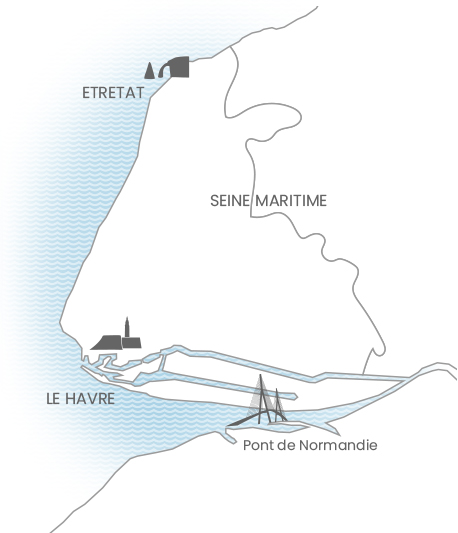
Le Havre, first port at the entrance of the English Channel, is the largest city in the heart of Normandy, with 193 000 inhabitants. Le Havre de Grace was founded in 1517 by king Francois the 1st because of the silting up of Honfleur and Harfleur ports situated in the bay of the Seine river. The town was enlarged in 1820 and 1852 by the setting back and then destruction of its ramparts. Thanks to 17th century military port, the commercial success with the West Indies in the 18th century and the emigration toward America in the 19th century, Le Havre developed rapidly and its population increased strongly.
The industrialization of the 1920 ‘s helped Le Havre to become the most city in Normandy thanks to its coffee and cotton exchange which became known all over the world. Along with this, Le Havre has a long standing tradition with luxury cruise liners : the first links between Le Havre and North America were forged over a century ago when Europeans emigrants were leaving from Le Havre to the United States. |
 |
Later, the largest and most famous floating palaces all departed from Le Havre bound to New-York. Le Havre has been welcoming guests and ship for 2 centuries. |
|
| |
 LE HAVRE - WORLD HERITAGE SITE |
 |
 |
 |
 |
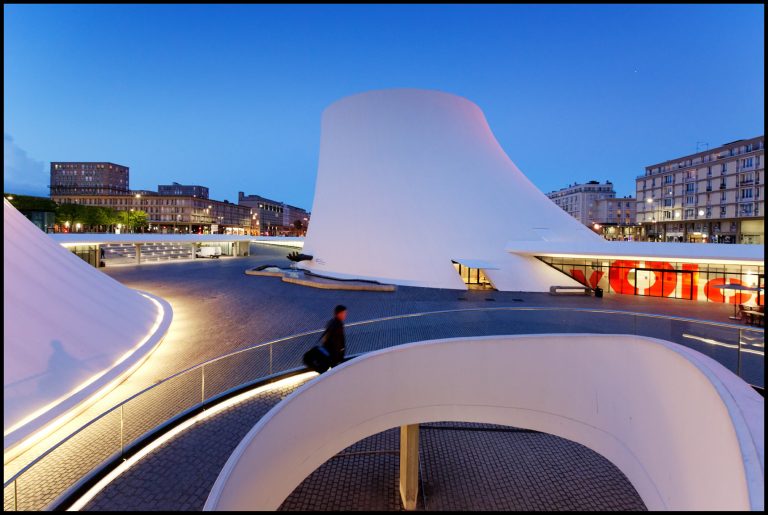
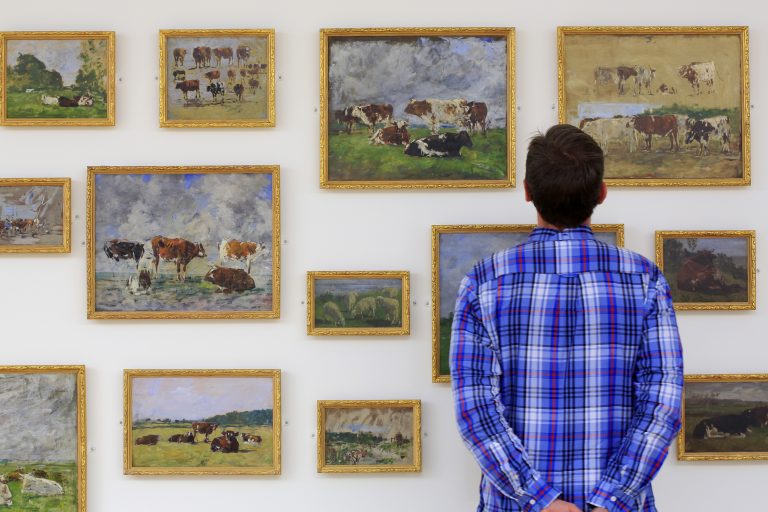
In September 1944, 80% of the city centre is destroyed by air raid. The port becomes completely inoperative. Twenty years will be necessary for the revival of Le Havre. Downtown has today the largest post – war homogeneous reconstruction site covering 150 hectares. The original concrete architecture of the 20th century, created by the architect Auguste Perret, with its ancients type columns and its treilises of oriental inspiration, opens up the city onto the sea. In July 2005, the UNESCO listed the centre of le Havre a World Heriage Site. The constantly changing light from Le Havre sky, which was so appreciates by impressionists, gives a great feeling of space. Le Havre is a city, a site to be discovered. |
|
|
| |
 NOWADAYS |
 |
 |
 |
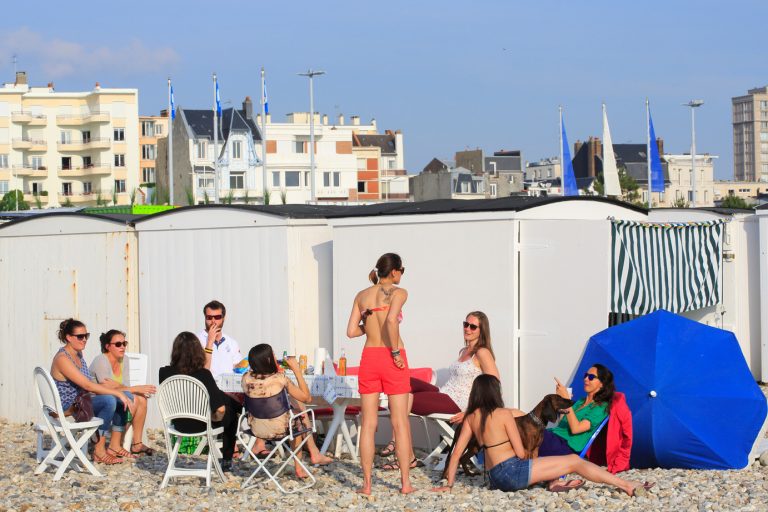
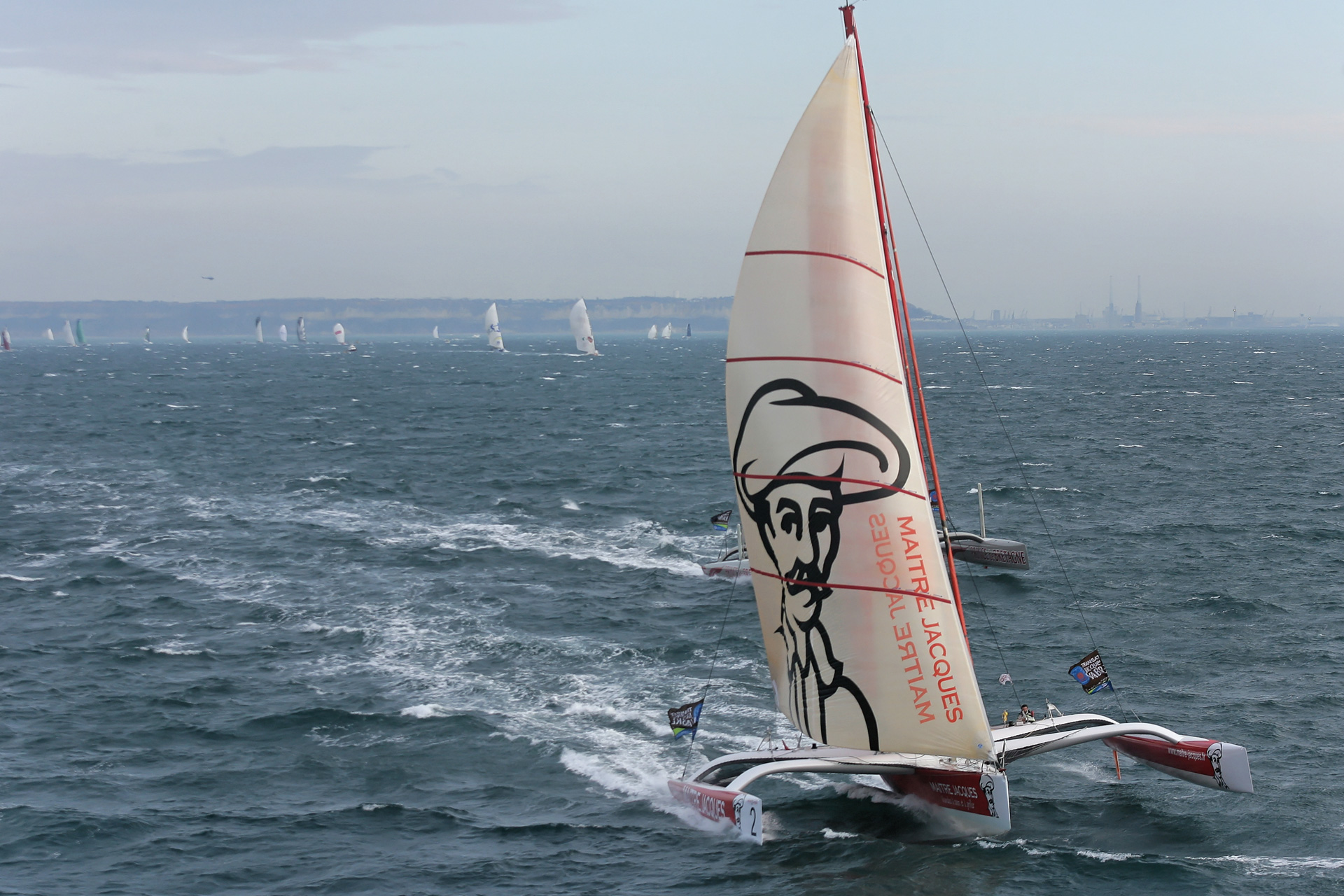
Le Havre is now France’s first largest commercial port for external trade, general cargo, containers and the 2nd largest French oil port. Le Havre is first and foremost a seaward-looking city – a river cruise port, an ocean cruise ship destination, a yatching and seaside resort where all the latest watersports and beach activities can be practiced. Even skate boarding along the beachfront is now possible inside France’s largest skate park. Le Havre is also the departure point of a large number of regattas, including a transatlantic race to Brazil. Le Havre, one of France’s “Cities of Art & History”, gives a contrasting impression of a city dedicated to both dynamism and relaxation. |
 |
|
| |
| A new cruise welcome centre ! |
With the opening of the new Cruise Welcome Centre at Florida Tip, located just across downtown, it marks a turning point in the way of welcoming cruise ship passengers in Le Havre. Cruise ships calling at Roger Meunier Pier will be overlooking the city centre rebuilt by Perret, listed by the Unesco as a world heritage site.
Out of many services the new Cruise Welcome Centre has to offer to cruise ships passengers, staff & crew members : |
 |
| |
A friendly welcome by multilingual hostesses, |
Tourist & practical information ( free brochure “Le Havre tourism & shopping” ), |
 |
Touring services, Wi-Fi access, phone booths, French café, shops. |
Art exhibitions |
|
|
|
|